Starting a family business can be one of the most rewarding ventures you’ll ever undertake. Working alongside relatives toward a shared goal creates a sense of pride, legacy, and long-term stability that few other business models offer. For many families, entrepreneurship is not only about financial opportunity but also about creating something meaningful that can be passed down through generations.
One industry that continues to attract family entrepreneurs is the restaurant industry. Restaurants offer a unique blend of creativity, service, and community engagement. They allow families to showcase cultural traditions, culinary skills, and hospitality while building a brand that reflects their shared values. While opening a restaurant requires careful planning and dedication, families often thrive in this environment because responsibilities can be divided naturally among members who bring different strengths to the table.
From designing the space and purchasing kitchen equipment to building a recognizable brand and delivering memorable experiences for guests, launching a restaurant involves many moving parts. With the right preparation and support from experienced professionals, families can turn their vision into a successful and sustainable business.
The following guide explores the key steps families should take when planning a restaurant venture. It covers everything from early concept development to branding, kitchen setup, and long-term growth strategies that help restaurants thrive in competitive markets.
Understand the Commitment Before Launching a Family-Run Restaurant
Before opening a restaurant, it’s essential to fully understand the commitment involved. Restaurants require long hours, careful coordination, and a strong dedication to customer service. For many families, the opportunity to build a successful family restaurant together can be deeply rewarding, but it also requires honest discussions about expectations and responsibilities.
Running a restaurant means balancing both business operations and personal relationships. Family members often work closely together for extended periods, so clear communication and defined roles are essential for maintaining harmony and productivity.
A successful family restaurant often benefits from each member contributing unique skills. For example:
- One family member may handle finances and accounting
- Another may oversee food preparation and menu development
- Someone else may focus on marketing or customer service
- Others may manage daily operations and staff scheduling
This division of responsibilities helps ensure the business runs smoothly while preventing unnecessary conflicts.
Equally important is understanding the competitive landscape of your local market. Dining trends, neighborhood demographics, and customer preferences all influence the type of restaurant that will succeed.
Key questions families should ask early in the planning stage include:
- What type of dining experience do we want to offer?
- Who is our target customer base?
- What makes our concept different from nearby restaurants?
- What price range will our menu fall into?
- What hours of operation will best serve our customers?
Restaurants thrive when they create memorable dining experiences that go beyond food alone. Families often excel in this area because they can create welcoming environments that feel authentic and personal.
Taking time to carefully evaluate these factors helps set realistic expectations and ensures the business starts with a strong foundation.
Start with a Clear Restaurant Concept and Space Plan
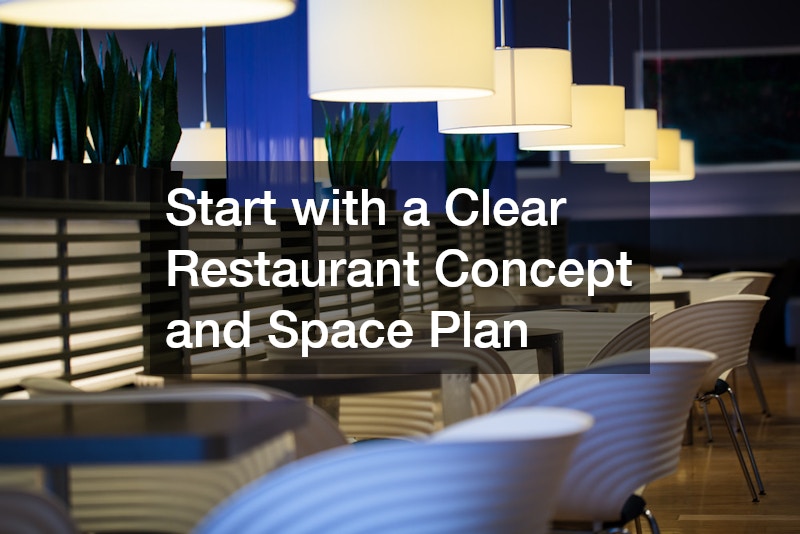
A well-defined concept is one of the most important elements of a successful restaurant. Before construction or renovations begin, owners must determine how their restaurant will look, function, and serve customers.
Professionals specializing in design and architectural drafting can help transform an idea into a workable layout that supports both customer comfort and efficient operations. This stage is where your restaurant’s vision begins to take physical form.
Developing a thoughtful layout is a key part of the custom design process. The goal is to create a space that balances aesthetics with practicality. Every square foot must be used effectively to support kitchen workflows, guest movement, and staff operations.
A typical restaurant layout includes several essential areas:
- Kitchen and cooking stations
- Food preparation and storage areas
- Guest seating and dining space
- Waiting and reception areas
- Restrooms and accessibility features
- Staff workspaces and offices
During the custom design process, planners also consider important details such as:
- Table spacing and traffic flow
- Noise management and acoustics
- Lighting and ambiance
- Emergency exits and safety codes
- Accessibility requirements
Investing in professional design and architectural drafting helps prevent costly construction errors. It also ensures that building codes and health regulations are met before opening.
Another major benefit of working with experienced designers is operational efficiency. Restaurants with poorly designed kitchens or cramped seating arrangements often struggle with slow service and unhappy customers. Thoughtful planning creates an environment where both staff and guests can move comfortably.
Families planning their first restaurant often underestimate the importance of layout planning. However, a well-designed space improves productivity, enhances customer satisfaction, and supports long-term growth.
Build a Memorable Brand Presence Before You Open
A restaurant’s success depends not only on great food but also on strong branding. Customers often decide whether to visit a restaurant based on how appealing it appears from the outside. Creating a clear visual identity helps attract attention and establish credibility before guests even walk through the door.
One of the most effective branding tools is exterior signage. High-quality Custom Business Signs help restaurants stand out on busy streets and make a strong first impression on potential customers.
Signage serves several important purposes:
- Identifying the restaurant location
- Communicating brand personality
- Helping customers find entrances and parking
- Promoting menu specials or events
For new restaurants, visual consistency is key. Branding elements should align across multiple touchpoints, including:
- Exterior building signs
- Window graphics
- Menu boards
- Promotional displays
- Interior wall décor
Thoughtfully designed signage makes it easier for customers to recognize and remember your brand. Restaurants located in high-traffic areas especially benefit from bold and attractive signage that captures attention quickly.
Custom Business Signs can also communicate the restaurant’s theme. For example:
- Rustic wooden signs for farm-to-table concepts
- Modern illuminated lettering for upscale dining
- Bright, colorful designs for casual eateries
In addition to exterior displays, interior signage plays a role in shaping the overall customer experience. When customers see consistent branding throughout the restaurant, it reinforces professionalism and builds trust.
Investing in well-designed signage early on helps establish a recognizable identity and sets the stage for successful marketing efforts.
Work with Experienced Professionals for Exterior and Interior Displays

While signage is essential for attracting customers, its effectiveness depends on quality design and installation. Working with an experienced sign company ensures that signage is visually appealing, durable, and compliant with local regulations.
A professional sign company understands the unique needs of restaurants and hospitality businesses. They can recommend materials and designs that withstand weather conditions while maintaining a polished appearance.
Before choosing a provider, restaurant owners should ask several important questions:
- Do they have experience working with restaurants?
- Are they familiar with local zoning and permit requirements?
- What materials do they use for long-lasting signage?
- Do they offer installation services?
Proper installation is critical for both safety and longevity. Poorly installed signs may become damaged or create hazards during storms or high winds.
Beyond exterior displays, interior signage also enhances customer experience. Clear signage helps guide guests through the restaurant while reinforcing brand identity.
Common types of interior signage include:
- Menu boards above ordering counters
- Directional signs for restrooms and exits
- Wall graphics featuring brand messaging
- Promotional signs for seasonal specials
Effective signage improves navigation, reduces confusion, and creates a more enjoyable visit for customers.
Restaurants that invest in quality signage often experience stronger brand recognition and increased foot traffic. Professional signage communicates that the restaurant takes pride in its presentation and values the customer experience.
Choose the Right Kitchen Tools to Support Your Menu
The kitchen is the heart of every restaurant, and selecting the right equipment is critical for both efficiency and food quality. Families starting a restaurant must carefully evaluate their menu and determine what restaurant equipment is necessary to support daily operations.
The type of food you plan to serve will largely determine the equipment you need. For example, a bakery requires ovens and proofing cabinets, while a burger restaurant needs grills and fryers.
Most kitchens include several categories of commercial kitchen equipment, such as:
- Cooking appliances like ranges, grills, and ovens
- Refrigeration units for food storage
- Food preparation stations
- Dishwashing and sanitation equipment
When selecting commercial kitchen equipment, restaurant owners should consider several factors:
- Durability and build quality
- Energy efficiency and operating costs
- Ease of cleaning and maintenance
- Compatibility with kitchen layout
High-quality restaurant equipment may cost more upfront, but it often saves money in the long run by reducing repairs and improving productivity.
Families starting their first restaurant can also benefit from strategies such as:
- Purchasing gently used equipment from reputable suppliers
- Leasing equipment to reduce startup costs
- Prioritizing essential items before investing in specialty tools
Kitchen efficiency plays a major role in customer satisfaction. When cooks have the right equipment available, meals can be prepared quickly and consistently.
Investing wisely in commercial kitchen equipment ensures that the kitchen can keep up with customer demand and maintain high food quality standards.
Design a Kitchen That Supports Teamwork and Speed
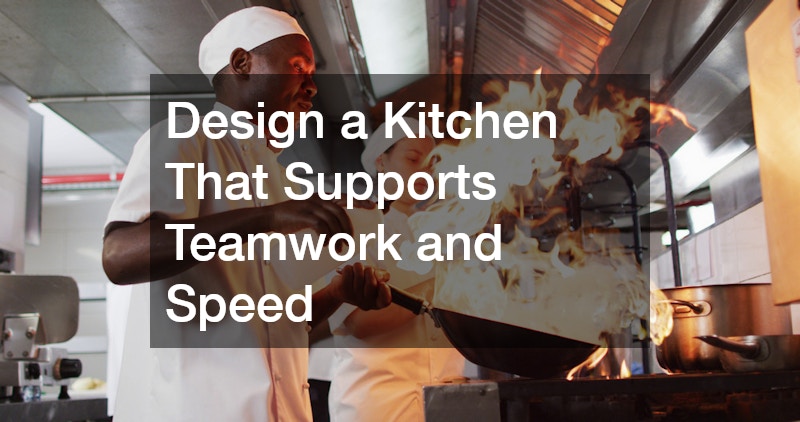
Even the best kitchen equipment cannot compensate for a poorly designed workspace. Efficient kitchens are carefully planned to allow cooks and staff to move quickly without interfering with one another.
Restaurants can learn valuable lessons from the operational setups used by a professional caterer. Catering kitchens often prioritize flexibility and efficiency because they must handle large volumes of food in tight timeframes.
A well-organized kitchen typically includes several designated zones:
- Food preparation areas for chopping and mixing
- Cooking stations for grilling, frying, or baking
- Plating areas for assembling finished dishes
- Cleaning stations for dishwashing and sanitation
Spacing between stations is crucial. Staff should be able to move freely without crowding or collisions.
Ways to improve kitchen efficiency include:
- Placing frequently used ingredients within easy reach
- Keeping cooking stations close to plating areas
- Minimizing unnecessary walking distances
- Clearly labeling storage containers
Commercial kitchen equipment should also be arranged to support workflow. For example, refrigeration units should be positioned near prep stations, while dishwashing areas should be separated from cooking spaces.
Restaurants that operate like a well-coordinated team can serve customers faster and maintain consistent food quality.
Create a Welcoming Environment That Keeps Customers Returning
Great restaurants offer more than good food—they create memorable experiences. A comfortable and inviting environment encourages guests to stay longer and return in the future.
Several factors influence the overall dining atmosphere, including:
- Lighting that sets the right mood
- Comfortable seating arrangements
- Pleasant background music
- Thoughtful interior design
The goal is to create a space where customers feel relaxed and welcomed. Small details can have a big impact on how guests perceive their dining experience.
Interior décor often reflects the restaurant’s theme or cultural inspiration. For example:
- Rustic décor for farmhouse-style restaurants
- Modern minimalist designs for contemporary eateries
- Warm wood accents for cozy neighborhood spots
Incorporating Custom Business Signs inside the restaurant can enhance the visual identity while contributing to the overall design. Examples include:
- Branded wall art
- Decorative menu boards
- Feature walls with the restaurant logo
These design elements reinforce brand recognition while making the space visually engaging.
A thoughtful dining environment also considers practical factors such as noise levels and table spacing. Guests should be able to enjoy conversations without feeling crowded or overwhelmed.
Restaurants that focus on atmosphere create emotional connections with customers. When guests associate a restaurant with positive memories, they are more likely to return and recommend it to others.
Market Your Restaurant and Build Community Loyalty
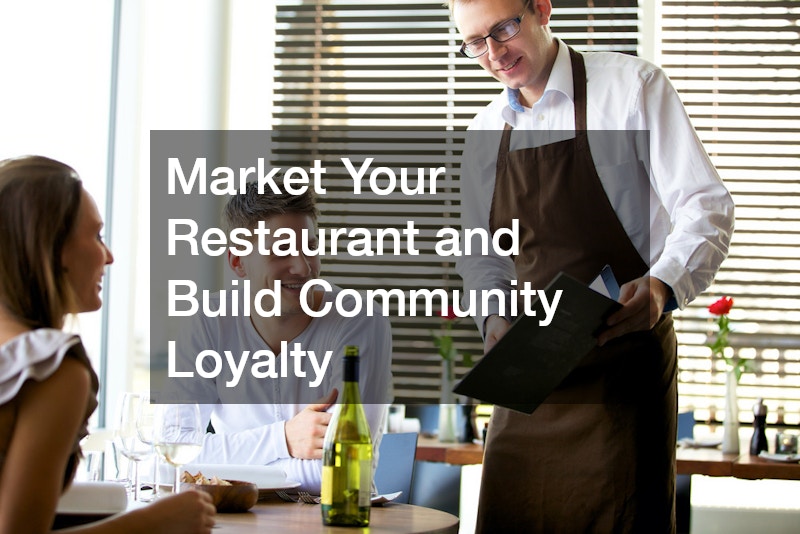
Marketing is essential for attracting customers and building long-term success. Family-owned restaurants often have an advantage because they can offer a personal touch that large chains cannot replicate.
A successful family restaurant thrives when it becomes part of the local community. Building relationships with customers helps generate loyal repeat visitors.
Effective marketing strategies include:
- Hosting grand opening events
- Partnering with local organizations
- Promoting seasonal menu specials
- Sharing behind-the-scenes stories on social media
Working with a professional sign company can also strengthen visibility in your local area. Eye-catching storefront displays and promotional signage help attract attention from passing traffic.
Examples of promotional signage that support marketing efforts include:
- Seasonal banners for special events
- Window graphics highlighting new menu items
- Directional signs guiding customers to parking areas
Local engagement is especially powerful for restaurants. Families can connect with the community through:
- Charity fundraisers
- School partnerships
- Holiday events
- Food festivals
Customers often appreciate the authenticity and warmth of a family restaurant. When guests feel personally welcomed, they are more likely to become loyal patrons who return regularly.