In the world of business, things move fast. If you look back just ten years, the way we bought products and talked about companies was completely different. Today, as we move through 2026, the pace of change has accelerated even more. Business owners can no longer rely on the old ways of doing things. To grow in this new era, you have to understand the modern relationship between branding and advertising.
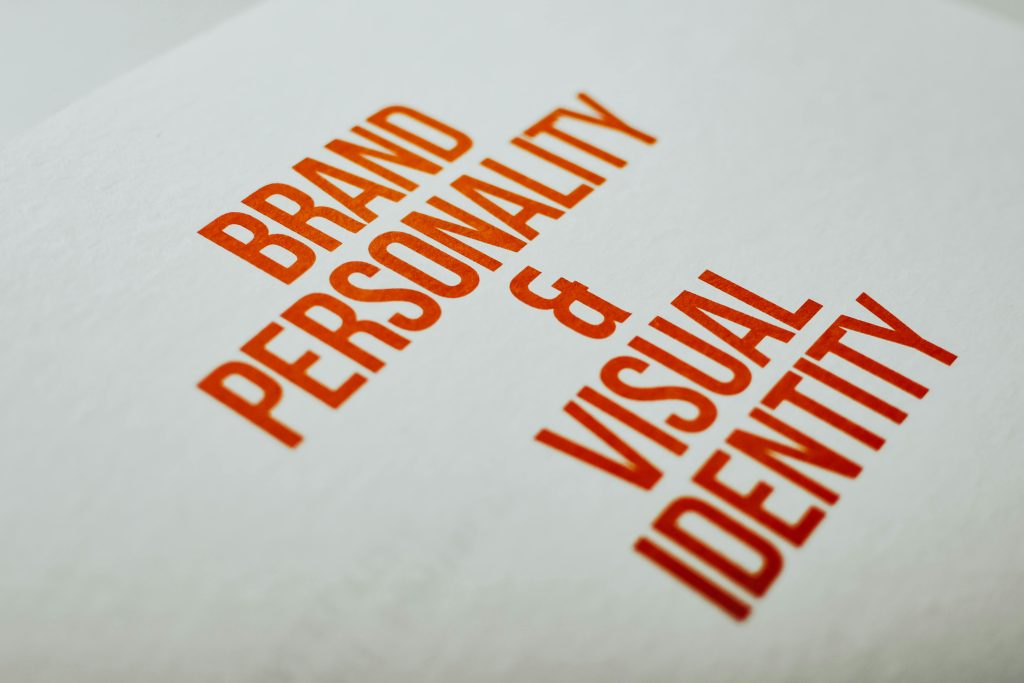
Many people use these two terms as if they mean the same thing, but they are actually very different tools. Think of your business as a person. Branding is the person’s personality, their values, and how they make people feel. Advertising is the megaphone that person uses to tell the world they exist. You need both to succeed. If you have a megaphone but no personality, people will ignore you. If you have a great personality but no megaphone, no one will ever meet you.
To help your business thrive this year, we have put together a guide on the best growth strategies for 2026. We will look at how the digital age has changed the rules and how you can use branding and advertising to build a company that lasts.
The Big Shift: Why 2026 is Different
For a long time, advertising was about “interruption.” A company would buy a TV commercial or a billboard to interrupt what you were doing and show you a product. Branding was just a logo and a catchy song.
In 2026, the power has shifted entirely to the customer. People have “ad-blockers” on their computers and “skip” buttons on their videos. They don’t want to be interrupted; they want to be inspired. They don’t just want to buy a product; they want to join a community. This means that branding and advertising must now work in total harmony. Your ads should feel like an invitation to your brand, rather than a demand for money.
Strategy 1: Building a “Human” Brand

In an age of Artificial Intelligence (AI) and automated customer service, people are craving human connection more than ever. One of the biggest growth strategies for 2026 is “Humanizing the Brand.”
- The Concept: Stop trying to sound like a giant, faceless corporation. Use a voice that sounds like a real person. Share your company’s story, including the mistakes you’ve made and the people who work behind the scenes.
- The Benefit: When people feel like they know the people behind the business, they develop “brand loyalty.” Loyalty is the ultimate growth tool because it’s much cheaper to keep an old customer than to find a new one.
- How to Start: Use video. Let your CEO or your team talk directly to the camera. Don’t worry about it being perfect; “authentic” is better than “perfect” in the digital age.
Strategy 2: Hyper-Personalized Advertising
In the past, you might run one ad for everyone. In 2026, that is a waste of money. Digital tools now allow us to speak to very specific groups of people based on what they actually care about.
- The Concept: Instead of one big ad campaign, create five or ten smaller ones. One might focus on how your product saves time for busy parents. Another might focus on how it helps outdoor enthusiasts.
- The Tech: Use data to understand your customers’ journey. If a customer looked at a specific pair of shoes on your website, your advertising should show them those shoes, not a random hat.
- The Goal: This is called “relevance.” When an ad is relevant to someone’s life, they don’t see it as an annoyance. They see it as a helpful suggestion.
Strategy 3: The Rise of “Community as a Brand”
Some of the most successful companies in 2026 don’t just have customers; they have fans. They have built a community around their products.
- The Concept: Give your customers a place to talk to each other. This could be a private social media group, a forum on your website, or even local meet-up events.
- The Power of Word-of-Mouth: When a member of your community tells a friend about your business, it is much more powerful than any ad you could ever buy. This is the intersection of branding and advertising where the customers become the advertisers for you.
- How to Grow: Reward your community members. Give them early access to new products or special discounts. Make them feel like “insiders.”
Strategy 4: Using AI for Content, Not Just Data
Artificial Intelligence is a huge part of business in 2026, but the strategy has changed. Smart businesses aren’t using AI just to crunch numbers; they are using it to help create better branding and advertising content.
- Efficiency: AI can help you write the first draft of an ad or suggest the best colors for a new logo based on current trends.
- The Human Touch: The key to growth is using AI for the “boring” stuff so your human team can focus on the “creative” stuff. Let AI analyze the data, but let a human decide the brand’s message.
- Speed: In the digital age, a trend can start and end in 48 hours. AI allows you to create ads fast enough to stay relevant to what people are talking about right now.
Strategy 5: Sustainability and Values-Based Branding
Modern customers, especially younger ones, care deeply about what a company stands for. They want to know if you are being kind to the planet and your workers.
- The Concept: Your “values” are a core part of your brand. If you care about the environment, don’t just say it—show it. Use recycled packaging or donate a portion of your profits to a good cause.
- Advertising Your Values: When you run ads, don’t just talk about your prices. Talk about your mission. Tell the world why you do what you do.
- The Risk of “Greenwashing”: Be honest. In 2026, customers are very good at spotting fake promises. If you say you are “eco-friendly” but you aren’t, the internet will find out, and it will hurt your brand.
Strategy 6: Short-Form Video is the New Billboard
If you want to grow fast, you have to go where the eyeballs are. In 2026, those eyeballs are on short-form video platforms like TikTok, Reels, and YouTube Shorts.
- The Strategy: Create videos that are 15 to 60 seconds long. They should be fast, fun, and educational.
- The “Edutainment” Factor: Don’t just try to sell. Teach the viewer something. If you sell skin care, show a 30-second video on how to wash your face correctly.
- The Result: This builds trust. When you provide value for free through your advertising, people are much more likely to trust your brand when it’s time to buy.
Strategy 7: Measuring Success Differently
In the old days of branding and advertising, success was measured only by sales. While sales are still important, growth leaders in 2026 look at other numbers, too.
- Brand Sentiment: What are people saying about you on social media? Are they happy or frustrated?
- Engagement Rate: Are people liking, sharing, and commenting on your ads? High engagement means your message is hitting the mark.
- Customer Lifetime Value (CLV): Don’t just look at the first sale. Look at how much a customer spends over five years. A strong brand keeps customers coming back again and again.
Strategy 8: Seamless Omni-Channel Experience
Your brand needs to look and feel the same everywhere. This is called “Omni-Channel” branding.
- The Concept: If a customer sees a funny, colorful ad on their phone, but then visits a website that looks boring and professional, they will be confused.
- The Goal: The “vibe” of your branding and advertising should be consistent. From your Instagram posts to the box your product arrives in, everything should tell the same story.
- Why it Matters: Consistency builds “recognition.” You want a customer to see a certain color or hear a certain tone of voice and immediately think of your company.
How to Start Your Growth Plan

If you feel overwhelmed, don’t try to do everything at once. Start with your brand. Ask yourself: “If my company were a person, who would they be?” Once you have a clear personality, then you can start using advertising to tell people about it.
Remember, growth in 2026 isn’t about being the loudest person in the room. It’s about being the most helpful, the most honest, and the most consistent. When you combine great branding and advertising, you aren’t just selling a product; you are building a future for your business.
Conclusion
The digital age has changed the tools we use, but it hasn’t changed the heart of business. People still want to buy from companies they trust and like. By focusing on human connection, personalized ads, and community building, you can use branding and advertising to drive massive growth this year.
Stay curious, stay authentic, and keep your customers at the center of everything you do. The world of 2026 is full of opportunities for businesses that are ready to embrace the new rules of the game.