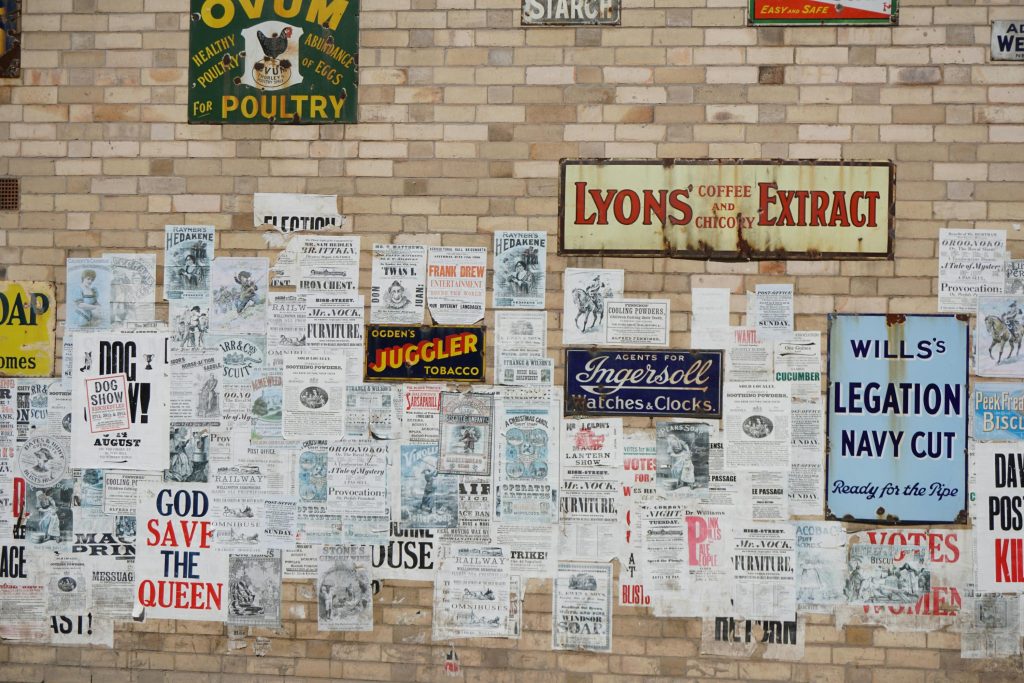
For the last twenty years, the business world has been obsessed with everything digital. We were told that paper was dead, magazines were disappearing, and the only way to reach a customer was through a smartphone screen. But as we move through 2026, something surprising is happening. Business owners are looking back at the physical world. Print media advertising is making a massive comeback as a primary growth strategy.
If you open your email inbox right now, you probably have dozens of unread messages. If you scroll through social media, you see an endless stream of ads that you likely skip after two seconds. This is called “digital fatigue.” People are tired of being bombarded by glowing screens. In this environment, a high-quality postcard, a beautiful magazine ad, or a well-designed brochure feels like a breath of fresh air.
In this guide, we will explore why tangible marketing is becoming a secret weapon for businesses in 2026. We will look at the psychology of touch, the trust that comes with paper, and how you can use print media advertising to grow your company in a crowded digital world.
The Psychology of “The Tangible”
Why does a physical ad feel different than a digital one? It comes down to how our brains work. When you see an ad on a screen, it feels temporary. It’s just light and pixels that can be swiped away. But when you hold something in your hand, your brain treats it as “real.”
- The Sense of Touch: Humans are tactile creatures. When we touch something, we engage more parts of our brain. Studies show that people remember information better when they read it on paper versus a screen.
- The “Coffee Table” Effect: A digital ad lasts for a few seconds. A high-quality magazine or a thick, matte-finish flyer might sit on a customer’s coffee table or office desk for weeks. Every time they walk by, they see your brand. That is “passive” advertising that keeps working long after the initial delivery.
- Emotional Connection: There is a premium feel to print. Because it costs more to produce than a digital post, customers perceive a brand in print as being more “established” and “successful.”
Strategy 1: Standing Out in a “Skip-Ad” World

The biggest problem with digital advertising in 2026 is that people have become experts at ignoring it. We have ad-blockers, premium accounts that remove commercials, and fingers that are trained to hit “X” as fast as possible.
Print media advertising doesn’t have a “skip” button. When someone pulls their mail out of the box, they have to look at it. Even if they only look at it for a few seconds before deciding what to keep, you have captured 100% of their attention. In the digital world, you are usually competing with ten other tabs and three different notifications. In the physical world, it is just the customer and your message.
For a business looking to grow, this “undivided attention” is worth its weight in gold. It allows you to tell a story and make a visual impact that pixels simply cannot match.
Strategy 2: Building Instant Trust and Authority
In the age of “fake news” and internet scams, trust is the most valuable currency a business has. Unfortunately, it is very easy to set up a fake website or a bot-driven social media account. This has made customers naturally skeptical of digital-only brands.
Print, however, requires an investment. You have to pay for the paper, the ink, and the distribution. This creates a “barrier to entry.” When you combine branding and advertising in a physical format, you create a sense of permanence. When a customer sees your business featured in a respected local newspaper or a national trade magazine, they subconsciously think, “This company is legitimate.”
Using print helps move your business from being “just another link” to being an “industry authority.” This is especially important for high-priced services like real estate, law, or luxury retail where trust is the deciding factor in a sale.
Strategy 3: The “Phygital” Approach (Print + Digital)
One of the best growth strategies for 2026 isn’t choosing between print and digital—it’s using them together. This is often called “Phygital” marketing.
- The QR Code Revolution: In 2026, everyone knows how to use a QR code. By putting a QR code on a physical flyer, you can bridge the gap. The customer feels the high-quality paper, gets excited by the design, and then scans the code to watch a video or get a special discount on your website.
- Tracking ROI: One of the old complaints about print was that it was hard to measure. Now, by using specific QR codes or “vanity” website links, you can see exactly how many people came to your site from your print ad.
- Retargeting: You can send a direct mail piece to someone who visited your website but didn’t buy. This “physical retargeting” is often the nudge a customer needs to finally make a purchase.
Strategy 4: Hyper-Local Dominance
If you run a business that serves a specific city or neighborhood, print media advertising is your best friend. While digital ads can be targeted by zip code, they often get lost in the noise of global content.
- Direct Mail: Sending a beautiful, personalized postcard to every home in a specific neighborhood is an incredible way to grow a local service business like a landscaping company or a dental office.
- Community Publications: Neighborhood magazines and local event programs are highly read. People love to support local businesses, and seeing yours in a local publication makes you feel like a “neighbor” rather than a “vendor.”
- Tangible Coupons: A physical coupon that someone can stick on their refrigerator is much more likely to be used than a digital code buried in an email.
Strategy 5: Targeting High-Net-Worth Audiences
If your growth strategy involves reaching people with higher incomes, print is a necessity. Data shows that older, wealthier demographics still prefer physical media.
- Luxury Magazines: High-end magazines are seen as “art” and “lifestyle” pieces. Advertising here places your brand alongside luxury icons.
- Direct Mail for B2B: If you are trying to reach a CEO or a business owner, an email will likely be deleted by an assistant. However, a high-quality, hand-signed letter or a beautiful “lookbook” delivered to their office is much more likely to reach their desk. It feels important, and people have a harder time throwing away something that looks expensive.
How to Create a Modern Print Campaign
To succeed with print media advertising in 2026, you can’t just use the same old designs from the 90s. Modern print needs to be:
- High Quality: Don’t use thin, cheap paper. Use thick cardstock or paper with a special texture (like “soft touch” or “linen”). The “feel” of the paper is part of the ad.
- Minimalist: Don’t crowd the page with too much text. Use one powerful image and one clear “Call to Action.”
- Integrated: Always give the reader a way to find you online. Use QR codes, social media handles, and your website URL clearly.
- Personalized: Use digital printing technology to include the customer’s name on the piece. A postcard that says “Hi, Sarah!” is much more effective than one that says “Current Resident.”
Measuring the Costs vs. the Gains
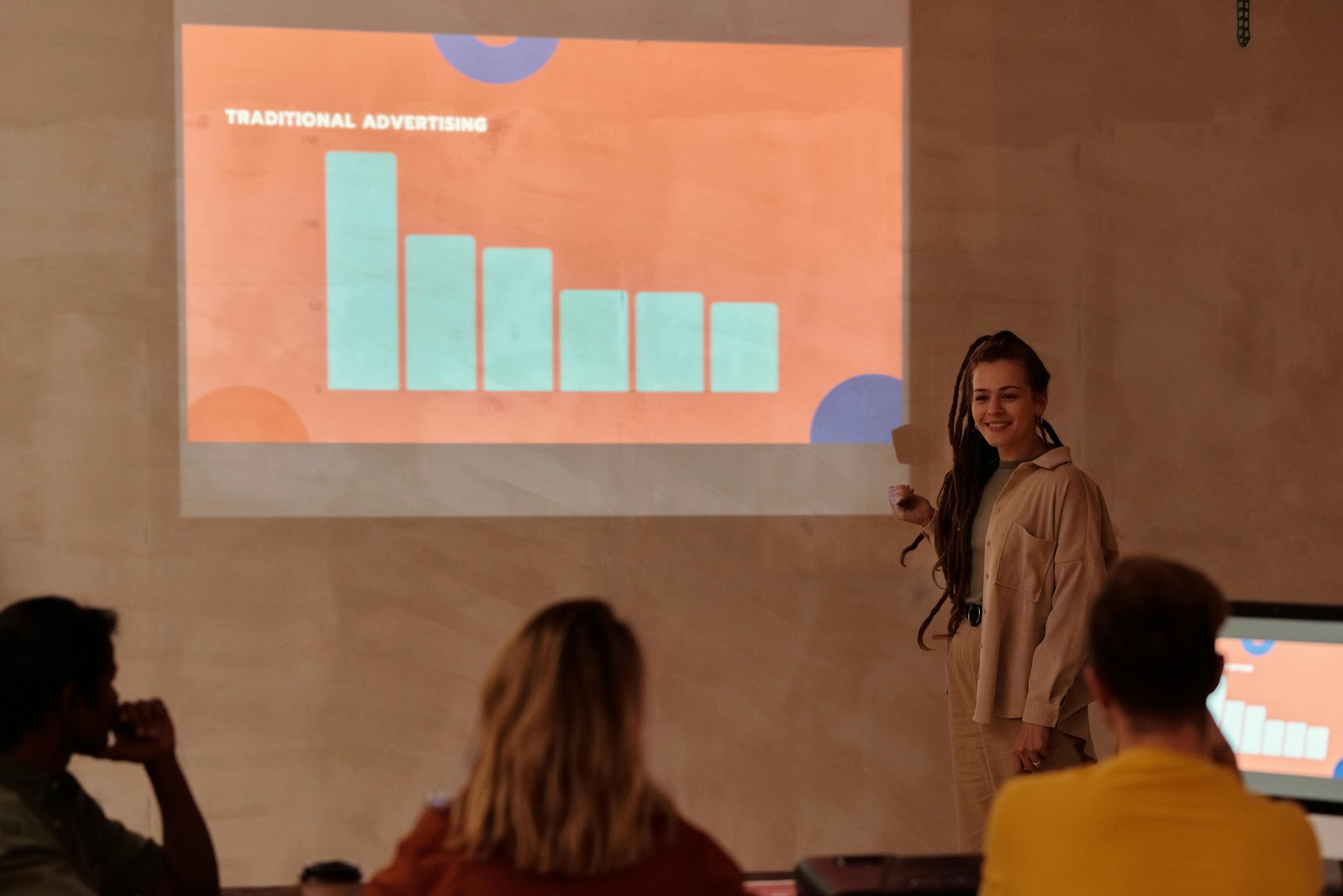
Many businesses are scared away from print because the “cost per lead” can be higher than a cheap social media ad. However, you have to look at the “Lifetime Value” of the customer.
A customer who finds you through a high-trust medium like print is often more loyal, spends more money, and stays with your brand longer. They didn’t just “click” on a whim; they engaged with your brand on a physical level. When you factor in the “shelf life” of print—where your ad keeps working for weeks—the ROI often beats out digital in the long run.
Conclusion
As we look toward the future of business growth, it is clear that the most successful companies will be those that can master both the screen and the hand. Print media advertising is not a step backward; it is a sophisticated step forward into a world that is craving authenticity and real-world connection.
By using the psychology of touch, building authority through physical presence, and integrating your print with your digital tools, you can cut through the noise of 2026. Don’t let your brand get lost in the digital cloud. Put something real into the hands of your customers, and watch your business grow.