From Booking to the Bank: How Destination Events Can Make You Money
The modern economy has shifted from the consumption of goods to the pursuit of experiences. Today’s consumers are increasingly willing to spend their discretionary income on memories rather than merchandise. This shift has birthed the “Experience Economy,” a goldmine for savvy entrepreneurs who understand how to transform a scenic location into a high-yield, ticketed destination. However, moving from a simple booking to a profitable bank deposit requires more than just a good guest list. It requires a meticulous understanding of logistics, legalities, and the high-tech tools that drive modern attendance.
To succeed in this arena, you must think of yourself not merely as an organizer but as an architect of a temporary city. You are responsible for everything from the structural integrity of the stage to the legal safety of your guests. In this comprehensive guide, we will explore the strategic layers required to build a destination event that scales, protects your assets, and maximizes your return on investment.
Phase 1: Strategic Selection and Digital Infrastructure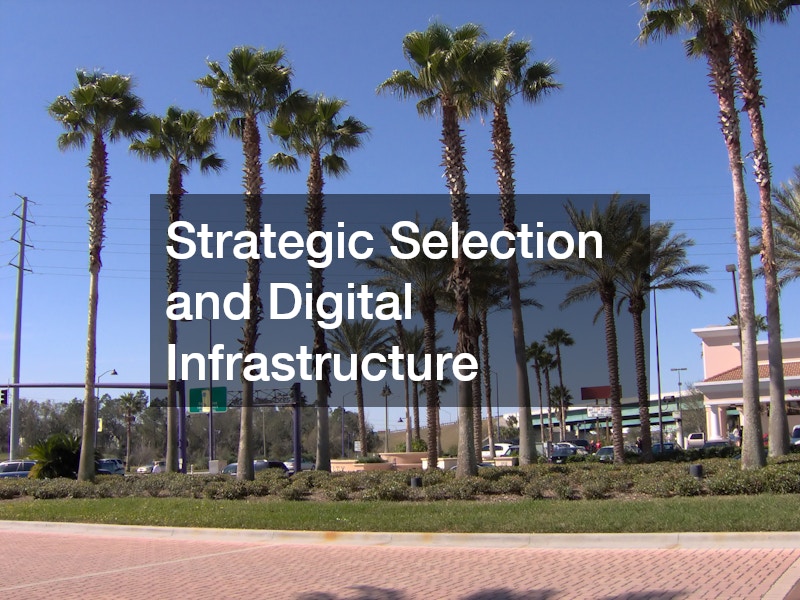
The first hurdle in the journey to a profitable event is picking the right “where” and “when.” A destination event lives or dies by its geography. If the location is too difficult to reach, your ticket sales will stagnate; if the timing clashes with a massive regional festival, your vendors will be overpriced and overbooked. Smart planners now rely on data-driven discovery to find the sweet spot in the travel market.
One of the most effective ways to synchronize your planning with global travel patterns is by utilizing an ai destination events calendar. These sophisticated platforms do more than just list dates; they analyze historical tourism data, flight trends, and local occupancy rates to suggest the most profitable windows for your event. By seeing the “empty space” in a region’s schedule, you can ensure your event becomes the primary draw rather than a secondary distraction.
A prime example of a location that balances accessibility with high lifestyle appeal is New Smyrna Beach. This area offers a unique combination of coastal charm and proximity to major Florida travel hubs. Choosing a location with established infrastructure allows you to “plug in” to an existing tourism machine, making it much easier to market your event as a vacation getaway rather than just a one-day outing. This geographic strategy allows you to increase ticket prices by framing the event as a luxury coastal experience.
Beyond just the physical location, your digital infrastructure must include a robust data-capture strategy during the ticket checkout process. By understanding the zip codes and travel habits of your early purchasers, you can adjust your mid-campaign marketing spend to target high-conversion neighborhoods. This “digital feedback loop” allows you to pivot your resources in real-time, ensuring that your advertising budget is focused on the demographics most likely to book a flight and a hotel room for your specific dates.
Phase 2: Structural Integrity and Site Production
Once the location is set, the focus shifts to the physical manifestation of your vision. For a destination event to command high ticket prices, the production value must be impeccable. This is where many amateur promoters lose money—they underestimate the cost and complexity of the “heavy lifting” required to build a safe and impressive environment.
Large-scale stage setups, lighting rigs, and sound towers require the expertise of professional rigging companies. These specialists ensure that your equipment is not only aesthetically striking but also compliant with rigorous safety standards. A single structural failure can lead to catastrophic financial and legal consequences. By hiring top-tier rigging teams, you are essentially buying insurance for your production quality, ensuring that the show goes on regardless of weather conditions or technical complexity.
Logistics also extend to the ground level. When thousands of people descend upon a destination, parking and transit become a primary friction point. To solve this, you must secure dedicated vehicle storage areas or overflow lots. If guests spend two hours looking for a parking spot, their “spending mood” vanishes before they ever reach the gate. Providing clear, organized storage for vehicles—and perhaps a shuttle service to the main venue—creates a seamless entry experience that encourages guests to spend more on concessions and merchandise inside.
In addition to heavy machinery, you must consider the “flow” of the site to maximize secondary spending. High-profit areas like VIP lounges and merchandise stalls should be strategically placed along the natural walking paths identified in your site map. If your production design creates bottlenecks or forces guests into long treks across difficult terrain, you will see a direct drop in per-capita spending. Professional production is as much about the “psychology of the walk” as it is about the height of the speakers.
Phase 3: Health, Safety, and Environmental Compliance
In the post-pandemic era, the health and safety protocols of an event are under more scrutiny than ever. Beyond general crowd control, you are responsible for the invisible infrastructure that keeps people safe. This is especially true for outdoor events or those hosted in non-traditional venues where permanent utilities may not be up to the task of supporting a massive crowd.
For any event involving large gatherings, you must implement a comprehensive water management plan. This plan is essential for preventing waterborne illnesses and ensuring that all potable water stations, cooling misters, and food vendor connections are safe for public use. Neglecting this step doesn’t just risk public health; it opens you up to massive regulatory fines and lawsuits that can instantly evaporate your profits. High-quality water management is a hallmark of a professional-grade production.
On-site behavior management is another critical safety pillar. As an organizer, you must have a clear protocol for dealing with illicit substances. Your security team should be trained to handle incidents involving drug possession with a balance of firm enforcement and professional discretion. The goal is to maintain a safe, family-friendly environment (where appropriate) while ensuring that your event remains compliant with local and state laws. Clear signage and proactive bag checks at the gate serve as a deterrent, protecting the integrity of your event and the safety of your attendees.
Safety planning also requires a robust emergency communications strategy. In the event of extreme weather or a medical emergency, your team must be able to reach every guest instantly via mobile push notifications or localized PA systems. Modern attendees expect a high degree of “duty of care” from event organizers. Demonstrating a visible, organized commitment to safety through uniformed staff and clear emergency exit marking doesn’t just reduce risk—it builds a brand reputation that makes guests feel comfortable returning to your future events.
Phase 4: Legal Fortification and Asset Protection
If you want to keep the money you make, you must build a legal fortress around your business. Destination events are high-risk ventures with dozens of moving parts, each representing a potential point of liability. From the initial entity formation to the final vendor payout, every move should be vetted by legal professionals.
Your first call should be to a reputable business law firm. They will help you decide whether to form a new LLC for each specific event or operate under a parent company, a move that protects your personal assets from business-related lawsuits. Furthermore, you must address the risk of “shrinkage” or financial loss on-site. Consulting with a theft lawyer can help you design internal controls for your cash-handling areas and high-value merchandise tents. This legal expert can also advise on how to prosecute or handle instances of internal or external theft, ensuring that your hard-earned revenue actually makes it to the bank.
The “fine print” is where the most money is often lost or saved. Before signing any agreement with a venue, talent agency, or catering company, you need a contract negotiation lawyer to review the terms. These professionals look for hidden fees, “act of god” clauses, and cancellation penalties that could bankrupt you if the event is forced to move or reschedule. Negotiating favorable terms on the front end can save you hundreds of thousands of dollars in unforeseen expenses, making it one of the highest-ROI investments you can make in your business structure.
Beyond standard contracts, you must also secure comprehensive event cancellation insurance and general liability riders. Legal protection is a two-pronged strategy: the first prong is the ironclad contract that prevents disputes, and the second is the insurance policy that pays out when the uncontrollable happens. Your legal team should work closely with your insurance brokers to ensure there are no gaps in coverage, specifically regarding “force majeure” events that are becoming increasingly common in the modern global climate.
Phase 5: High-Velocity Growth and Audience Acquisition
With the infrastructure and legal protections in place, your focus must turn to filling the house. Ticket sales are the lifeblood of your event, but in a world saturated with digital noise, a simple “buy tickets” post is no longer sufficient. You need an aggressive, sophisticated marketing strategy that targets the right people at the right time.
Partnering with a specialized marketing agency is often the difference between a half-empty venue and a sold-out success. These agencies have access to advanced tracking tools and influencer networks that can generate a “fear of missing out” (FOMO) around your event. They can manage your ad spend across multiple platforms, ensuring that your marketing dollars are being used to target people who have already shown an interest in travel and live experiences. A professional agency will also handle your retargeting, so that anyone who visits your site but doesn’t buy a ticket is gently reminded of the event as they browse the web.
To maximize revenue, you should also focus on “Tiered Pricing” and “VIP Experiences.” This involves:
Early Bird Access:
Rewarding your most loyal fans with lower prices while securing early cash flow.
Premium Bundles:
Including lodging, transport, and exclusive “backstage” access for a significantly higher price point.
Sponsorship Integration:
Selling naming rights or “presented by” slots to brands that want to reach your specific demographic.
A crucial component of high-velocity growth is the “Social Proof” engine. This involves using testimonial content from previous years or high-profile “ambassadors” to validate the quality of the destination experience. In the era of social media, people are not just buying a ticket to an event; they are buying the content they will be able to post on their own feeds. Your marketing agency should focus on creating “Instagrammable” moments in their ad creative to show potential guests exactly what their weekend could look like.
Phase 6: Post-Event Monetization and Retention
The “Bank” in your strategy doesn’t close the moment the lights go down. Some of the most profitable opportunities occur after the event has concluded. A successful destination event should be viewed as a data-gathering mission that prepares you for the following year.
Content Repurposing:
Use the high-quality photos and videos from the event to sell tickets for the next one.
Community Building:
Maintain an active social media group or email list where attendees can share memories and stay connected to the brand.
Surveying:
Ask your guests what they loved and what they hated. This feedback is the most valuable “free” consulting you will ever receive.
Post-event monetization might also include selling recorded sessions, digital downloads of the music, or limited-edition merchandise that was only available to attendees. By keeping the conversation going, you lower your customer acquisition costs for future events. The most profitable event organizers aren’t looking for a one-time win; they are looking to build a recurring annual tradition that grows in value and prestige every year.
Finally, consider the power of the “Pre-Sale” loop. Offering current attendees the first opportunity to buy tickets for next year’s event at a significant discount—while they are still feeling the “high” of the current experience—is a proven way to secure a massive chunk of your next budget instantly. This not only guarantees a base level of attendance for the following cycle but also provides you with immediate working capital to secure the best venues and talent before your competitors can react.
Conclusion
Building a profitable destination event is a masterclass in modern entrepreneurship. It requires you to balance the high-flying world of marketing and digital strategy with the grounded, gritty realities of safety codes, legal contracts, and physical logistics. From the moment you select your coastal venue to the final reconciliation of your gate receipts, every decision should be filtered through the lens of risk management and revenue optimization.
While the complexities are vast, the rewards are equally significant. A well-executed event doesn’t just generate a profit; it creates a community, builds a brand, and provides a platform for future ventures. By utilizing the right tools—from AI scheduling to expert legal counsel—you can ensure that your journey from booking to the bank is not only successful but sustainable for years to come. The world of destination events is waiting; it’s time to start building.