Turning a lifelong love for horses into a legitimate commercial enterprise is a dream shared by many, but achieved sustainably by only a few. The romanticized image of watching horses graze peacefully at sunset often contrasts sharply with the pre-dawn realities of frozen water lines, rising feed costs, and complex liability issues. The global equine market is a multi-billion-dollar powerhouse, spanning diverse sectors including competitive training barns, commercial boarding facilities, breeding operations, and therapeutic riding centers. To find success here, you must learn to view the landscape through a dual lens: appreciating the unique spirit of the animal while strictly managing the cold logistics of a commercial property.
The transition from hobbyist to equine entrepreneur requires a massive shift in mindset. When you own horses for pleasure, a muddy paddock or a broken gate is an inconvenience; when you run a business, those same issues become immediate liabilities, threatening your cash flow, your reputation, and customer retention.
Defining Your Niche and Business Model

Avoid the “Everything to Everyone” Trap
One of the most common pitfalls for newcomers in the horse industry is trying to accommodate every type of equestrian under one roof. A facility that attempts to host high-energy, speed-based rodeo practice while simultaneously offering a quiet environment for competitive dressage riders will quickly find itself plagued by cultural clashes and operational inefficiencies. Different equestrian disciplines require entirely different layouts, arena footings, schedules, and amenities.
Before you invest in your first roll of fencing, you must define exactly who your target customer is.
- High-End Training Facilities: These operations focus on competitive disciplines such as hunter/jumpers, dressage, or reining. Clients pay a premium for top-tier coaching, pristine arena conditions, and full-service care.
- Lesson and Breeding Programs: These models rely on high-volume traffic or precise reproductive timelines. They require specialized infrastructure, such as dedicated beginner arenas or safe foaling stalls.
Understanding your local market is a matter of practical research. Drive a 30-mile radius around your prospective location to audit the competition. Take note of their pricing, their vacancy rates, and what they lack. If every barn in your area features an outdoor sand arena but lacks indoor riding space, investing in an indoor arena could give you an immediate monopoly during the harsh winter months.
Furthermore, you must understand the math behind your revenue streams. Plain, unassisted horse boarding is notoriously difficult to profit from due to the volatile costs of hay, bedding, and manual labor. To build a sustainable model, successful stable owners structure their businesses around value-added services. Charging premium add-on fees for blanket changes, administering supplements, or offering professional pet grooming services for the clients’ accompanying barn dogs and show horses can transform a razor-thin margin into a healthy monthly profit.
Setting Up Your Infrastructure: Dirt, Drainage, and Arenas
Laying a Groundwork That Prevents Mud and Injury
The foundation of any successful horse business is the ground beneath the animals’ hooves. Improperly cleared land and poorly graded spaces lead directly to standing water, deep mud, and subsequent hoof diseases or soft-tissue injuries that can devastate your client base. Land development should always prioritize drainage, safety, and operational efficiency over cosmetics.
When preparing your property for arenas and heavy foot traffic, you will need to clear large swathes of land, remove trees, and level uneven terrain. For many startups, purchasing commercial excavation machinery outright is financially impossible. Utilizing a local heavy equipment rental service allows you to access bulldozers, mini-excavators, and skid steers on an as-needed basis. This keeps your upfront capital costs low while giving you the specific tools required to cut proper drainage ditches, grade pasture slopes, and prep arena bases.
Building a safe riding space requires strict attention to engineering. For those looking to establish training grounds quickly without sacrificing structural integrity, choosing a pre-engineered rodeo arenas kit can be an incredibly efficient route. These kits provide clear blueprints, structural steel or specialized panels, and matching gate systems that can withstand the intense pressure of turning horses.
When installing your arena footing, remember the golden rule: the top layer of sand is only as good as the base underneath it. A proper arena requires a crowned or sloped sub-base of compacted clay or native soil, followed by a compacted stone dust layer, and topped with two to three inches of clean, sub-angular sand. Get this wrong, and your arena will quickly turn into a dangerous, slick swamp or a deep, tendon-straining desert.
Designing Functional High-Traffic Areas
Designing Safe Driveways and Turnouts
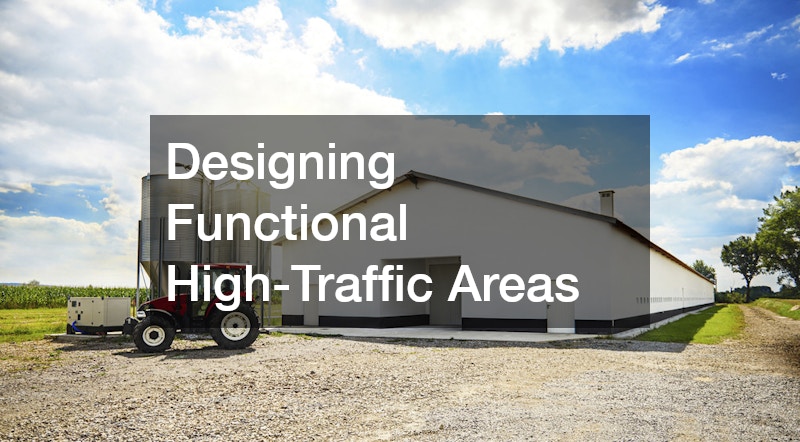
An often-overlooked aspect of planning an equine facility is traffic flow. A commercial barn is a bustling hub that needs to accommodate far more than just passenger cars. On any given day, your driveways will need to handle massive commercial hay delivery trucks, heavy tractors, shavings delivery vehicles, and clients towing long, multi-horse gooseneck trailers.
If your entryways are too narrow or feature tight, right-angle turns, you will find your fences smashed and your traffic blocked. Design your driveways with wide sweeping curves and create a dedicated, circular turnaround loop near the main barn. This ensures that a client pulling a 30-foot trailer never has to attempt a stressful backing maneuver around loose horses or pedestrians.
For your main thoroughfares and trailer parking zones, choosing the right ground cover is a balance of upfront cost and long-term maintenance. Leaving these high-use areas as simple dirt or thin gravel will quickly result in deep, axle-catching ruts during the spring thaw. Investing in professional paving for your primary parking pads, approach ramps, and dumpster pads prevents ground erosion and keeps the property looking pristine.
For a cleaner, semi-permanent finish on long entry roads, utilizing recycled asphalt provides an excellent, budget-friendly compromise between loose gravel and premium blacktop. It packs down tightly under the weight of heavy vehicles, minimizing dust and preventing commercial trucks from sinking into the subgrade. Whichever material you choose, ensure the area is excavated down to a stable sub-base and layered with geotextile fabric to keep the mud from swallowing your investment.
Establishing Pastures and Clearing Land Safely
Transforming Raw Acreage into Safe Turnout Spaces
Healthy, safe pastures are the lifeblood of an equine facility. They reduce your monthly hay bill, keep horses mentally satisfied, and provide the natural movement vital to an animal’s digestive and joint health. However, turning a wild, wooded parcel of land into a thriving horse pasture takes significant effort and careful land management.
Your first step in land conversion is removing physical hazards. Horses are notoriously accident-prone animals; if there is a sharp object or a trap on your acreage, a horse will invariably find it. When clearing woodlots to expand your pastures, a thorough stump grinding process is mandatory. Leaving raw, jagged tree stumps in a turnout space invites catastrophic puncture wounds, ruined shoes, and severe leg fractures if a horse trips over them during a herd run. Furthermore, rotting stumps eventually create deep underground voids that can collapse under a horse’s weight, creating dangerous leg-breaking traps.
Once the physical obstructions are cleared, focus shifts toward forage quality and containment:
- Soil Auditing and Amendment: Take core soil samples across your acreage to check pH levels. Apply lime and fertilizer according to agricultural extension recommendations to encourage optimal grass growth.
- Weed Eradication: Actively identify and eliminate toxic plants such as nightshade, buttercup, Bracken fern, and wild cherry trees, which can cause fatal poisoning if consumed by bored or hungry horses.
Managing Waste and Water Systems
Keeping the Hidden Utilities Running Smoothly
The daily operations of a professional stable generate immense demands on plumbing and waste management systems. A single horse drinks between 10 and 15 gallons of water per day; multiply that by twenty or thirty horses, and your water source must reliably deliver hundreds of gallons of clean water daily, even during the coldest winter freezes.
Your wash racks and grooming bays are major points of vulnerability. Horse wash racks handle massive volumes of water mixed with hair, mud, sweat, and coat conditioners. A standard residential drainage setup will instantly clog under these conditions. When building or upgrading your barn’s plumbing network, you should partner with an experienced plumber who can install heavy-duty, commercial-grade sediment traps and wide-diameter drain lines. These specialized traps catch heavy arena sand and coarse horse hair before it reaches your main drain lines, preventing catastrophic back-ups that could flood your facility.
Human waste management is equally critical if you plan on hosting clients, clinic participants, or spectators. If your barn features an office, a client lounge, or public restrooms, your waste infrastructure must be built to handle sudden peaks in usage. Running a commercial operation on an old, unmapped residential system is an expensive gamble.
Make sure your system is permitted for commercial traffic, and budget for routine septic repair and preventative pumping. A system failure during a weekend horse show or a busy clinic can ruin your reputation, force a temporary closure of your facility, and cost thousands of dollars in emergency remediation. Keep manure storage piles far away from your septic leach fields and wellheads to prevent harmful nitrate contamination.
Building Your Essential Network of Care Providers
Assembling the Experts Who Keep Your Herd Alive
No equestrian entrepreneur can operate in a vacuum. Your business’s long-term viability relies heavily on the quality of the professional network you cultivate. Surrounding yourself with top-tier equine professionals protects your business from costly operational oversights and protects the welfare of the animals in your care.
Foremost among these professionals are qualified animal doctors who specialize explicitly in equine medicine. Unlike small-animal veterinarians, equine vets must understand herd health dynamics, sports medicine, lameness diagnostics, and biosecurity protocols. When you run a commercial stable, you need a veterinarian who can help you design a mandatory, facility-wide vaccination and quarantine protocol. Every new horse entering your property should be strictly quarantined for 14 to 21 days and clear a negative Coggins test before mixing with the resident population to prevent the spread of highly contagious respiratory diseases like strangles or equine influenza.
Even with the best preventative care, working with large animals carries inherent risks. Your staff must be deeply trained to spot and react to an equine emergency, such as a severe bout of colic, a deep fence laceration, or an acute case of laminitis.
Keep a fully stocked medical triage kit in an easily accessible, well-lit location in the barn, and post clear, printed emergency contacts and the physical address of the facility right next to the landline phone or main entryway. Minutes matter when an animal is experiencing life-threatening distress; having clear, documented protocols ensures that your team acts calmly, safely, and efficiently while waiting for medical assistance to arrive.
Maximizing Diversified Revenue Streams
Scaling Beyond Traditional Boarding Fees
To build an equine business that thrives across changing economic climates, you must diversify your incoming revenue streams. Relying strictly on basic monthly board payments exposes your business to extreme vulnerability when hay prices spike or unexpected property maintenance issues arise. By utilizing your infrastructure creatively, you can uncover lucrative secondary revenue options.
One effective strategy is maximizing the utility of your riding spaces. When your arena isn’t being used for regular client lessons, you can lease the space to traveling clinics, breed associations, or local clubs for weekend shows. This generates substantial facility-rental income without requiring significant extra labor from your core staff.
You can also design in-house programs that optimize your existing assets:
- Premium Care Packages: Charge tiered rates for specialized rehabilitation care, such as cold-hosing, hand-walking injured horses, or managing complex post-surgical bandaging schedules.
- Acreage Utilization: If you have excess pasture space, consider offering summer-only pasture boarding packages for young horses or retired animals that do not require daily stall cleaning or arena access.
By layering these diverse options on top of your baseline boarding and training services, you create a more stable financial foundation, ensuring your equine business can successfully weather any economic storm.
Building a thriving equine business is a demanding journey that requires equal parts physical stamina, emotional resilience, and sharp financial management. The old joke in the horse world states that the easiest way to make a small fortune in the horse industry is to start with a large one. While the financial risks are undeniably real, they can be systematically mitigated through careful planning, smart infrastructure investments, and diversified revenue management.
By prioritizing proper land clearing, durable paving, efficient drainage, and building a reliable network of skilled care professionals, you protect your business from the catastrophic failures that frequently derail unorganized operations. The transition from a passionate rider to a successful equine business owner is challenging, but clear operational planning can transform your love for horses into an enduring, profitable legacy. Your next step is to put your ideas on paper: draft a detailed business plan, research your local zoning codes, and build a realistic budget that will turn your equestrian goals into a functional reality.